Tips for Creating a Relaxing Home Office Environment
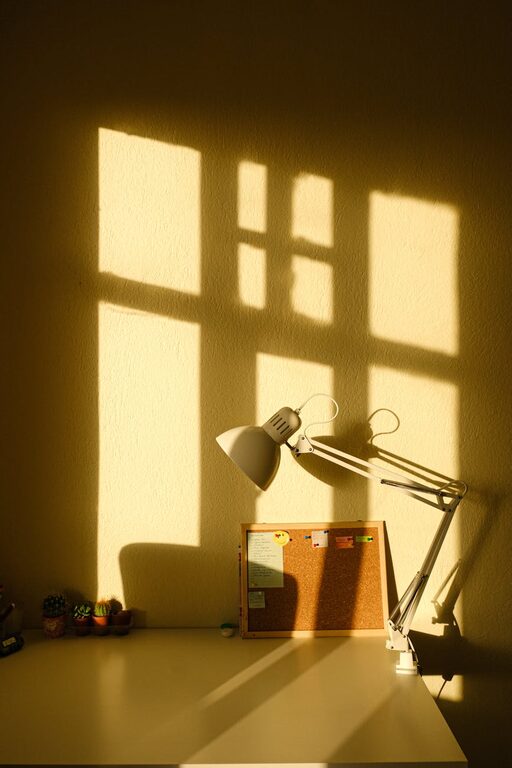
Creating a relaxing home office environment can make a significant difference in your daily productivity and overall well-being. Whether you work remotely full-time or occasionally need a quiet space to focus, designing a workspace that feels peaceful and inviting helps reduce stress and keeps you motivated.
In this post, we’ll explore practical strategies to transform your home office into a calm oasis, blending functionality with comfort. Let’s dive into the essential tips for crafting a relaxing workspace.
Why a Relaxing Home Office Matters
Working from home presents unique challenges, including distractions, lack of separation between personal and professional life, and sometimes uncomfortable or improvised work areas. A calming and well-organized environment encourages focus, creativity, and even better mental health.
By paying attention to the design and atmosphere of your workspace, you create a place where work feels less like a chore and more like a productive, enjoyable activity.
Choosing the Right Location
Find a Quiet Spot
Look for a space in your home that minimizes noise and foot traffic. If possible, select a room with a door to help block out distractions.
Maximize Natural Light
Natural light positively affects mood and energy levels. Position your desk near a window to take advantage of sunlight, but avoid harsh glare on your screen. Use light curtains or blinds to control brightness.
Consider Privacy
If you share your living space, think about how to carve out enough privacy to focus on your work uninterrupted.
Furnishing Your Workspace
Invest in a Comfortable Chair
Ergonomic seating supports your posture and prevents discomfort during long work sessions. Choose a chair with adjustable height, lumbar support, and cushioning.
Choose a Spacious Desk
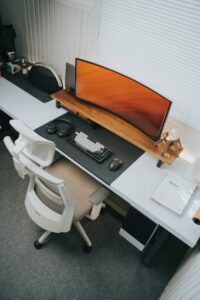
A desk that offers ample surface area lets you organize your tools and keeps clutter off. Consider desks with built-in storage or add organizers to maintain tidiness.
Add Practical Accessories
Essential accessories like a monitor stand, keyboard tray, or desk lamp can improve ergonomics and the overall experience of your workspace.
Creating a Calming Atmosphere
Use Soothing Colors
Soft, neutral colors like light blues, greens, or beige promote relaxation. Avoid intense or overly bright colors in your office, as they can be distracting or stressful.
Incorporate Plants
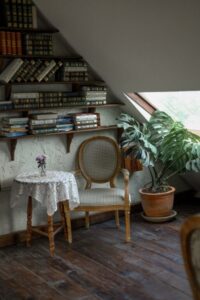
Indoor plants not only improve air quality but also add an element of nature that can reduce stress and elevate your mood. Easy-care options include snake plants, pothos, or succulents.
Control Lighting
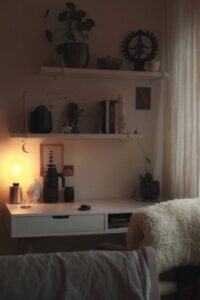
Besides natural light, having adjustable artificial lighting is important. Use warm LED lights or desk lamps with dimmer settings to create a cozy ambiance during evening hours.
Minimize Noise Distractions
Consider using noise-cancelling headphones or a white noise machine to create a consistent background sound, helping to drown out sudden or distracting noises.
Organizing and Decluttering
Keep Your Desk Clear
Clutter can overwhelm your mind. Regularly organize your workspace and only keep essential items on your desk.
Use Storage Solutions
Shelves, filing cabinets, drawer organizers, and baskets help keep paperwork and supplies organized, reducing visual chaos.
Establish a Daily Tidy Routine
Spending just a few minutes at the end of each day to tidy up maintains order and sets a positive tone for the next workday.
Personal Touches to Boost Comfort and Motivation
Display Inspiring Items
Photos, artwork, or motivational quotes can create a positive environment. Choose items that uplift your spirit but don’t overcrowd the space.
Incorporate Comfortable Textiles
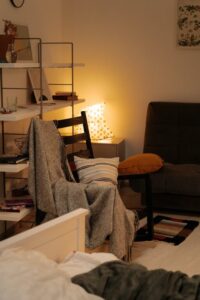
Add a soft cushion, a cozy throw blanket, or a small area rug to make your workspace feel warmer and more inviting.
Use Aromatherapy
Lightly scented candles or essential oil diffusers with calming scents like lavender or eucalyptus can help reduce stress.
Taking Breaks and Staying Active
Even in a relaxing space, extended periods of sitting can cause tension. Try the following:
– Take short breaks every hour to stretch or walk.
– Use a standing desk option if possible.
– Practice deep breathing or simple mindfulness exercises to maintain calm and focus.
Final Thoughts
Designing a relaxing home office environment takes intentional effort but pays off in improved comfort, reduced stress, and better productivity. By choosing the right location, investing in comfortable furniture, controlling lighting and noise, keeping the space organized, and adding personal touches, you create a space that supports your work and well-being.
Remember that your home office should reflect your preferences and needs, helping you feel calm, focused, and ready every day to tackle your tasks with ease. Happy decorating!