Tips for Creating a Cozy and Functional Home Office Space
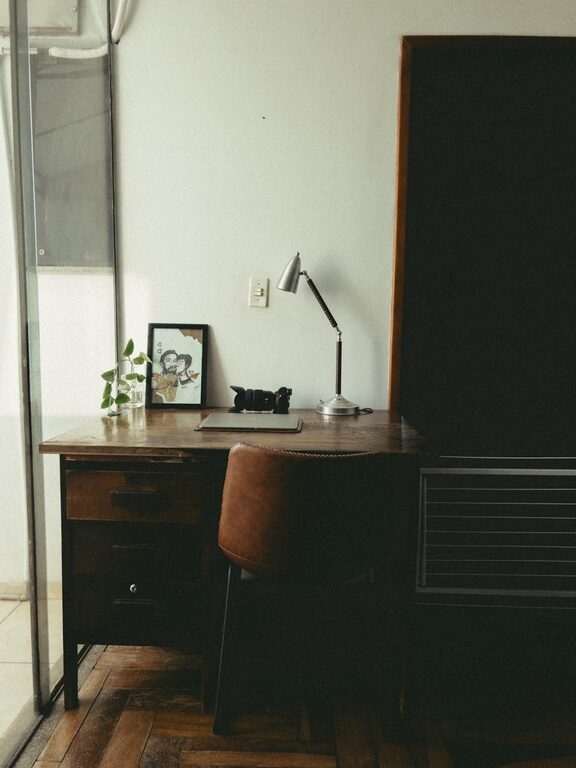
Creating a home office that is both cozy and functional can transform your work-from-home experience. Whether you’re a full-time remote worker or occasionally complete tasks from home, having a dedicated space designed to meet your needs can boost productivity while keeping you comfortable. Here are practical tips to help you design a home office that feels just right.
Choose the Right Location
The foundation of a successful home office starts with location. Ideally, pick a quiet spot in your home where you can focus with minimal distractions. This could be a spare room, a corner of your bedroom, or even a well-lit nook. Consider these factors:
– Natural Light: Position your desk near a window if possible. Natural light helps reduce eye strain and improves mood.
– Privacy: Choose an area where family members or roommates won’t frequently interrupt you.
– Space: Ensure the area accommodates your desk, chair, and any storage or equipment you need without feeling cramped.
Invest in Comfortable and Ergonomic Furniture
Comfort is key when you spend hours working at your desk. Ergonomic furniture supports good posture and reduces fatigue.
– Ergonomic Chair: Look for a chair with adjustable height, lumbar support, and comfortable cushioning.
– Desk Height: Your desk should allow your arms to rest at about a 90-degree angle when typing.
– Footrest: If your feet don’t comfortably reach the floor, a footrest can help improve circulation.
– Flexible Layout: Consider furniture that can be moved or adjusted, such as standing desks or adjustable tables, if you want to switch between sitting and standing.
Optimize Lighting
Lighting affects both comfort and focus.
– Ambient Lighting: Have ample general lighting in the room to avoid eye strain.
– Task Lighting: Use a desk lamp with adjustable brightness for focused work.
– Avoid Glare: Position screens to reduce glare from windows or lights.
– Warm vs. Cool Light: Warm light creates a cozy atmosphere, while cooler light boosts alertness. A mix of both can work well throughout the day.
Organize Efficiently
A cluttered desk can lead to a cluttered mind. Efficient organization keeps you on track and makes your workspace inviting.
– Storage Solutions: Use shelves, filing cabinets, or storage boxes to keep paperwork and supplies tidy.
– Desk Organizers: Keep pens, notepads, and essentials within reach.
– Cable Management: Use clips or sleeves to keep cords neat and out of the way.
– Declutter Regularly: Set aside a few minutes at the end of each day to tidy your area.
Personalize Your Space
Adding personal touches can make your workspace feel welcoming.
– Decor: Incorporate items that inspire you, such as artwork, plants, or photos.
– Colors: Choose colors that relax or energize you; blues and greens are calming, yellows and oranges can add energy.
– Comfort Items: Consider a cozy throw blanket, a cushion, or a small rug to add warmth.
Set Boundaries Between Work and Home Life
Maintaining a clear distinction between your work area and living space helps promote balance.
– Dedicated Workspace: Try to avoid working from your bed or couch.
– Routine: Set consistent working hours and use your space only during work time.
– Signage or Divider: If your office is shared with other activities, use a room divider or sign to indicate when you’re working.
Incorporate Technology Smartly
Leveraging technology can enhance your workflow without cluttering your desk.
– Wireless Devices: Use wireless keyboards, mice, and headphones to reduce cords.
– Monitor Setup: If you work on a laptop, consider an external monitor for better screen space.
– Charging Station: Keep all your charging devices organized in one spot.
– Noise Control: Use noise-canceling headphones or white noise machines to stay focused.
Maintain Good Air Quality and Temperature
Comfort extends beyond furniture and lighting.
– Ventilation: Ensure your workspace has good airflow. A small fan or air purifier can help.
– Temperature Control: Keep the room at a comfortable temperature; use heaters or fans as needed.
– Plants: Adding indoor plants not only decorates but can improve air quality.
Final Thoughts
Designing your home office is a personal journey influenced by your work style and preferences. By focusing on comfort, organization, and aesthetics, your workspace can become a haven of productivity and relaxation. Small adjustments can make a big difference, so start with these tips and adapt as you discover what works best for you. Creating a home office you love will help you stay motivated and enjoy your workday more.