Tips for Creating a Cozy and Functional Home Office Space
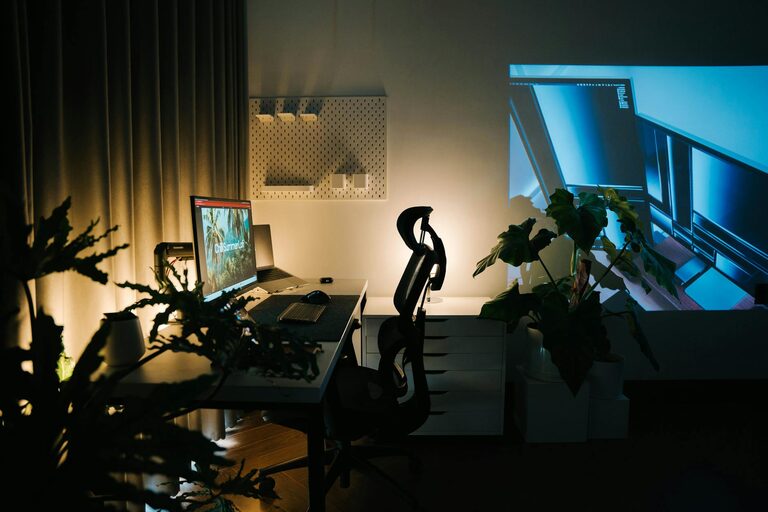
Creating a home office that feels both cozy and functional can significantly improve your productivity and well-being. Whether you’re working from home full-time or need a dedicated space for occasional tasks, designing the right environment matters. In this guide, we’ll cover practical tips to help you build an inviting workspace that meets your needs without feeling cramped or cluttered.
Why a Cozy and Functional Home Office Matters
When your workspace is comfortable, you’re more likely to focus and enjoy your workday. Functionality ensures your office supports your tasks efficiently, minimizing distractions or discomfort. Balancing these two elements creates an ideal environment where you can be motivated and relaxed simultaneously.
Step 1: Choose the Right Location
Finding the perfect spot in your home is the foundation of a great office space.
– Natural light: Pick a spot near a window if possible, as natural sunlight boosts mood and energy.
– Privacy: Look for an area away from high-traffic zones to reduce noise and interruptions.
– Space availability: Ensure you have enough room for your desk, chair, and any equipment or storage you need.
Step 2: Invest in Comfortable, Supportive Furniture
The right furniture can make long work hours easier on your body.
– Ergonomic chair: Choose one with adjustable height, lumbar support, and comfortable padding.
– Desk size and height: Your desk should accommodate your computer, accessories, and allow a natural arm position.
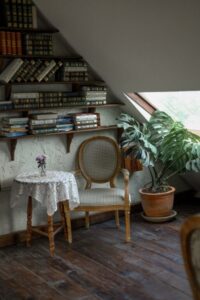
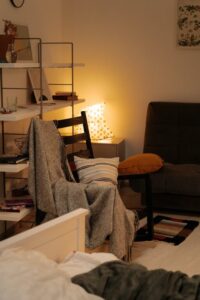
– Additional seating: If space permits, include a cozy chair or small sofa for reading or brainstorming sessions.
Step 3: Optimize Layout for Efficiency
Arrange your furniture and equipment to reduce clutter and improve workflow.
– Work triangle: Position frequently used items like your computer, printer, and storage within easy reach.
– Cable management: Use clips, covers, or trays to keep cords untangled and out of sight.
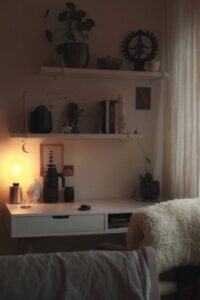
– Vertical storage: Use shelves or pegboards to keep supplies organized without sacrificing floor space.
Step 4: Use Soothing Colors and Decor
Colors affect mood and productivity, so choose wisely.
– Calming tones: Soft blues, greens, or neutrals promote focus and calmness.
– Personal touches: Add items that inspire you such as plants, artwork, or photos.
– Soft textiles: Rugs, cushions, and curtains add warmth and absorb sound to create a cozy atmosphere.
Step 5: Ensure Proper Lighting
Good lighting supports your eyes and keeps you alert.
– Layered lighting: Combine natural light with overhead lights and task lamps.
– Adjustable desk lamp: Opt for one with brightness control to avoid glare on screens.
– Warm bulb tones: Use warmer light bulbs to create a welcoming feel without harshness.
Step 6: Keep Your Space Organized
Maintaining organization prevents stress and distractions.
– Declutter regularly: Remove unnecessary items weekly to keep surfaces clear.
– Storage solutions: Bins, drawers, and filing cabinets help store documents and supplies neatly.
– Labeling: Label boxes and shelves to find things quickly and maintain order.
Step 7: Incorporate Technology Thoughtfully
Technology can boost productivity but also create clutter.
– Wireless devices: Reduce cable mess with wireless keyboards, mice, and printers.
– Monitor stands: Elevate screens to eye level to improve posture.
– Charging station: Designate a spot for charging devices to stay organized.
Step 8: Add Comfort Amenities
Enhance your workspace with elements that promote well-being.
– Plants: Indoor plants improve air quality and add a natural calming effect.
– Humidifier or diffuser: Keep air fresh and comfortable.
– Temperature control: Use fans, heaters, or smart thermostats to maintain a pleasant temperature year-round.
Step 9: Create Zones If You Have Space
Dividing your office into areas helps balance different tasks.
– Work zone: For focused computer or paperwork activities.
– Relaxation corner: For breaks, reading, or brainstorming.
– Storage zone: Dedicated area to keep supplies and equipment out of sight.
Step 10: Personalize and Adjust Over Time
Your workspace should evolve with your needs.
– Experiment: Try furniture rearrangements or new decor to see what feels best.
– Feedback: Reflect on what works and what doesn’t; small tweaks can make a big difference.
– Comfort check: Regularly assess seating, lighting, and organization to maintain a cozy and productive environment.
—
Creating a cozy and functional home office space is about blending comfort with practicality while keeping your personal style in mind. With these tips, you can turn any corner of your home into a productive haven where work feels less like a chore and more like a pleasure. Start with small changes and watch how they transform your daily work experience!